
Ovarian Cysts and Rupture: What's Happening, What to Do, and How to Advocate for Yourself
Ovarian Cysts and Rupture: What's Happening, What to Do, and How to Advocate for Yourself
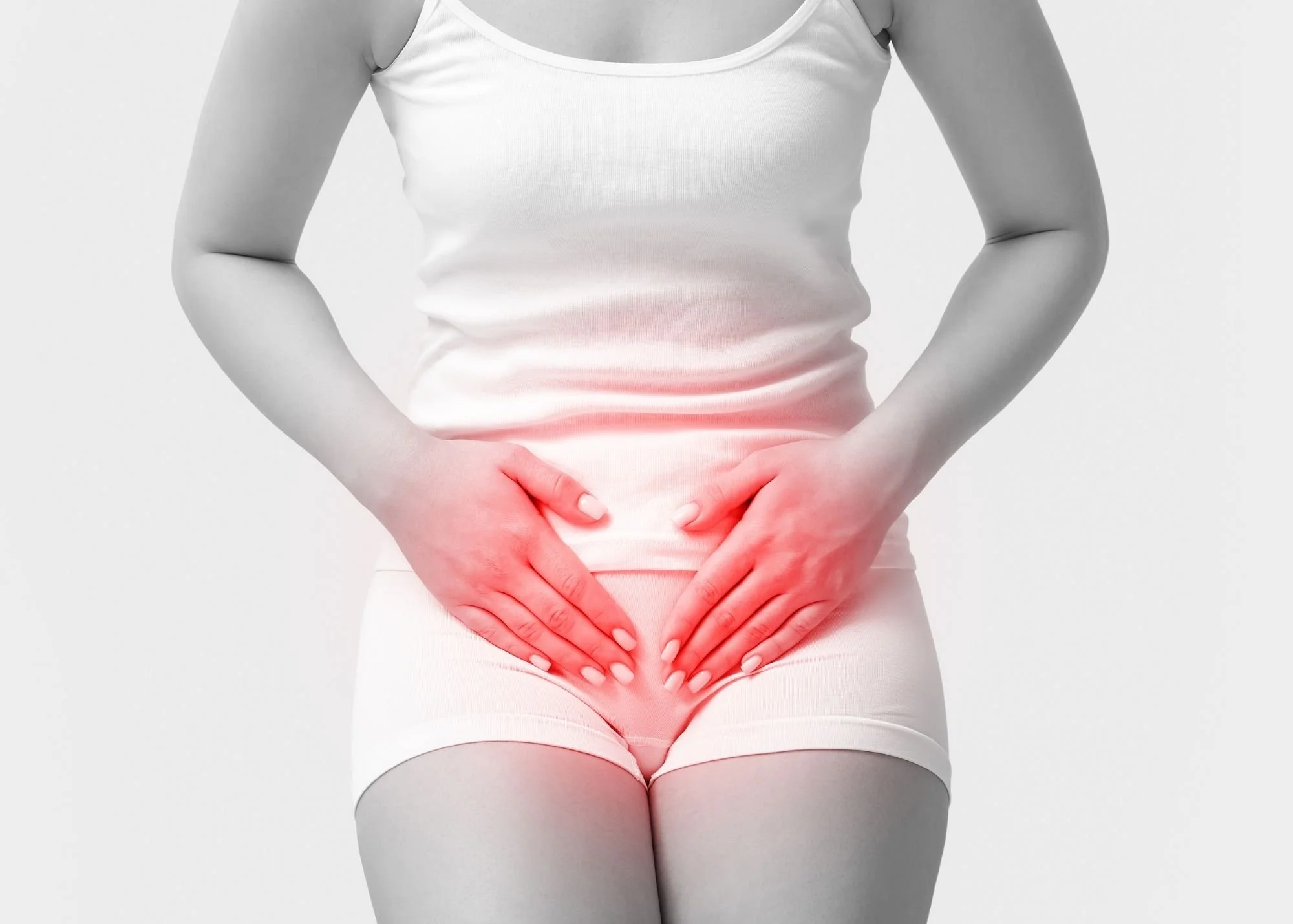
Sudden, sharp pain in your lower abdomen is scary — especially when you don't know what's causing it. If you've been told you have an ovarian cyst, or you're dealing with pain that turned out to be a cyst rupturing, you deserve clear information, not just reassurance that "this is common." Common doesn't mean it isn't real, and it doesn't mean you don't deserve answers.
This post walks through what ovarian cysts actually are, what happens when one ruptures, how to think about caring for yourself afterward, a complementary Ayurvedic perspective on ovarian health, and — because so many women tell us they felt brushed off during this exact experience — a free guide to help you advocate for yourself at your next appointment.
⚠️ First: When This Is an Emergency
Before anything else, please know the signs that mean go to the ER now, don't wait for an appointment:
Sudden, severe abdominal pain
Dizziness or fainting
A racing heartbeat
Heavy vaginal bleeding
Fever
Vomiting that won't stop
These can be signs of significant internal bleeding or ovarian torsion, both of which need immediate medical evaluation. If any of this applies to you right now, please stop reading and seek emergency care.
What Is an Ovarian Cyst, Really?
An ovarian cyst is simply a fluid-filled sac that forms on or inside an ovary. They're incredibly common — most women will develop at least one at some point, often without ever knowing it.
The most frequent type is a functional cyst, which forms as a normal part of the menstrual cycle:
Follicular cysts form when the follicle that's supposed to release an egg during ovulation doesn't rupture or release properly, and instead keeps growing.
Corpus luteum cysts form after ovulation, when the structure left behind (the corpus luteum) fills with fluid instead of breaking down as it normally would.
These functional cysts are usually harmless and often resolve on their own within a few menstrual cycles. Less commonly, other types of cysts can form — such as dermoid cysts, endometriomas, or cystadenomas — which may need different monitoring or treatment depending on their size and characteristics
Why Do They Rupture?
Most cysts that rupture are functional cysts that simply grew large enough, or were disrupted by something like exercise, sex, or a bowel movement, causing the sac to break open and release its fluid into the pelvic cavity.
A rupture can range widely in severity:
Mild ruptures often cause a sudden, sharp pain on one side that eases within hours to a couple of days, sometimes with light spotting.
More significant ruptures can cause ongoing pain, larger amounts of internal bleeding, and in some cases require medical intervention to manage bleeding or pain.
This range is exactly why it's so hard to know, in the moment, whether what you're feeling is "wait it out" or "go get checked" — which is part of why so many women feel unsettled by this experience even after they're told it's "nothing serious."
Caring for Yourself After a Rupture (General, Conservative Guidance)
Once a doctor has evaluated you and confirmed there's no ongoing bleeding, torsion, or infection requiring treatment, general comfort measures many women find helpful include:
Resting and avoiding strenuous activity for a few days
Using a heating pad on the lower abdomen for cramping
Taking over-the-counter pain relief as recommended by your doctor
Staying hydrated
Tracking your symptoms daily so you can clearly report any changes
Important: this guidance is general and not a substitute for individualized medical advice. If pain worsens, doesn't improve after a few days, or you develop any of the emergency symptoms listed above, seek care again — don't assume it's "just healing."
Castor Oil Packs: A Traditional Comfort Practice
Once you've been medically cleared — meaning your doctor has confirmed there's no active internal bleeding, infection, fever, or torsion, some women find a castor oil pack to be a soothing addition to their recovery routine. This remedy has been used by many cultures for centuries.
⚠️ Do not use a castor oil pack if: you have a fever, suspected active bleeding, are pregnant, or haven't yet been medically evaluated. Heat and abdominal stimulation are not appropriate for an unconfirmed or acute situation — this is strictly a post-clearance comfort measure.
How it's traditionally done:
Soak a piece of soft flannel or cotton cloth in castor oil until it's saturated but not dripping.
Lay the cloth over your lower abdomen.
Cover it with plastic wrap or a plastic bag to protect your clothing and bedding.
Place a hot water bottle or heating pad on top, set to a comfortable, low-to-medium heat.
Relax with the pack in place for 30–45 minutes, ideally lying down.
Afterward, gently wipe off excess oil; the cloth can be reused several times if stored in a sealed bag or container.
Traditionally attributed benefits include easing cramping and abdominal tension, supporting circulation to the pelvic area, and providing a calming, grounding ritual during recovery. Many women simply find the warmth and ritual itself soothing during a stressful recovery period, and that's a legitimate benefit on its own.
The Eastern Medicine Principle of a "Warm, Hydrated Womb"
Both Ayurveda and Traditional Chinese Medicine (TCM) place significant emphasis on keeping the reproductive organs warm and well-hydrated, viewing cold and dryness as conditions that encourage stagnation — and stagnation, in both traditions, is closely linked to pain, irregular cycles, and cyst or fibroid formation over time.
In TCM specifically, this is often discussed in terms of "cold invading the uterus," where cold exposure (through diet, environment, or even cold beverages) is thought to constrict circulation in the pelvic region, similar to how cold makes a muscle tense and achy. The traditional counter to this is warmth — warm foods, warm liquids, and physically keeping the lower abdomen insulated, especially during menstruation and recovery from any reproductive health event.
Simple ways this principle shows up in daily practice:
Favoring warm or room-temperature drinks over ice-cold ones, especially during your cycle or recovery
Keeping the lower abdomen physically warm and covered, particularly in cold weather or air conditioning
Prioritizing cooked, warming foods (soups, stews, ginger, warming spices) over raw or cold foods during recovery
Staying well-hydrated with warm water or herbal teas rather than relying solely on cold beverages
An Ayurvedic Perspective on Ovarian Health
In Ayurvedic terms, ovarian cysts are often associated with an imbalance involving Kapha dosha (heaviness, stagnation, and excess fluid) combined with disrupted Vata (movement and circulation) in the reproductive system. The general idea is that stagnation in the pelvic region — supported by diet, stress, and lifestyle factors — can contribute to fluid accumulation and cyst formation over time.
Traditional recommendations include:
Warm, cooked, easily digestible foods rather than cold, heavy, or processed foods, to support digestion and reduce Kapha buildup
Gentle movement, like walking or restorative yoga, to support pelvic circulation
Reducing excess dairy and sugar, which are traditionally viewed as Kapha-aggravating
Herbs such as turmeric, ginger, and ashwagandha, which are traditionally used to support hormonal balance and reduce inflammation — though it's important to discuss any herbal supplementation with your doctor, especially if you're currently dealing with a cyst or rupture
Stress reduction practices, since Ayurveda places significant emphasis on the connection between the nervous system and reproductive health
Building a Care Team: Who Else You Might See Alongside Your MD
Your MD or OB/GYN should always be the one managing diagnosis, imaging, and any decisions about acute symptoms, medication, or surgery. But many women find real value in building out a broader care team for the ongoing, whole-body side of reproductive health. Here's what a few complementary practitioners typically offer, and where they tend to fit in:
Ayurvedic Practitioner Focuses on identifying your individual constitution (dosha) and using diet, herbs, and lifestyle practices to address the patterns believed to contribute to stagnation and imbalance in the reproductive system. Often helpful for ongoing guidance on diet, digestion, and daily routines that support hormonal balance over time.
Licensed Acupuncturist / Traditional Chinese Medicine (TCM) Practitioner Uses acupuncture, herbal formulas, and concepts like Qi and blood circulation to address pain, menstrual irregularities, and pelvic stagnation. Many women use acupuncture specifically for pain management and cycle regulation, and some research supports acupuncture's role in reducing certain types of pelvic and menstrual pain.
Naturopathic Doctor (ND) Trained to look at the whole picture — nutrition, hormone balance, gut health, and lifestyle factors — and, depending on their license and state, may be able to order labs and imaging alongside your MD. Often a good fit for women who want one practitioner helping coordinate the "whole body" picture of hormonal health.
Pelvic Floor Specialist Not Eastern medicine, but worth mentioning here: a pelvic floor specialist can help address lingering tension, pain, or guarding in the pelvic and abdominal muscles that sometimes develops after a painful event like a rupture, even after the cyst itself has resolved.
Registered Dietitian or Nutritionist Can help translate general dietary concepts (like reducing inflammatory foods) into a sustainable, individualized eating pattern — useful whether you're drawn to the Ayurvedic dietary approach or simply want support with hormone-friendly nutrition.
The Part Nobody Tells You: You Might Have to Advocate for Yourself
Here's something we hear constantly from women who've been through this: they felt dismissed. Told it's "just a cyst," sent home without a clear plan, or left wondering what happens if the pain comes back.
You're allowed to ask more questions. You're allowed to ask for a repeat ultrasound, a referral to a gynecologist, or a clearer explanation of what your doctor is seeing on your imaging. Advocating for yourself isn't confrontational — it's a normal, reasonable part of getting good care.
That's exactly why we put together a free downloadable guide: Your Appointment Guide — Follow-Up Care After an Ovarian Cyst Rupture. It walks you through:
What to prepare before your appointment
A simple formula for describing your symptoms clearly
Specific questions worth asking about diagnosis, next steps, and long-term risk
What to say if you feel dismissed
How to get a refusal documented in your chart
When and how to ask for a second opinion or specialist referral
[Download the free Appointment Advocacy Guide here →]
You Deserve Clarity, Not Just Reassurance
Whether your cyst resolves quietly on its own or turned into a rupture that sent you to the ER, you deserve to leave every appointment with a real understanding of what's happening in your body and a clear plan for what's next. If something doesn't feel resolved — physically or informationally — it's okay to keep asking until it does.
This article is educational and does not replace personalized medical advice. If you're experiencing severe pain, heavy bleeding, fever, dizziness, or symptoms that are worsening, seek emergency care immediately.
